
THE HIDDEN DANGERS OF PRESCRIPTION DRUG MISUSE
THE HIDDEN DANGERS OF PRESCRIPTION DRUG MISUSE
A Balm for the Bruised Foundation True-Life Story
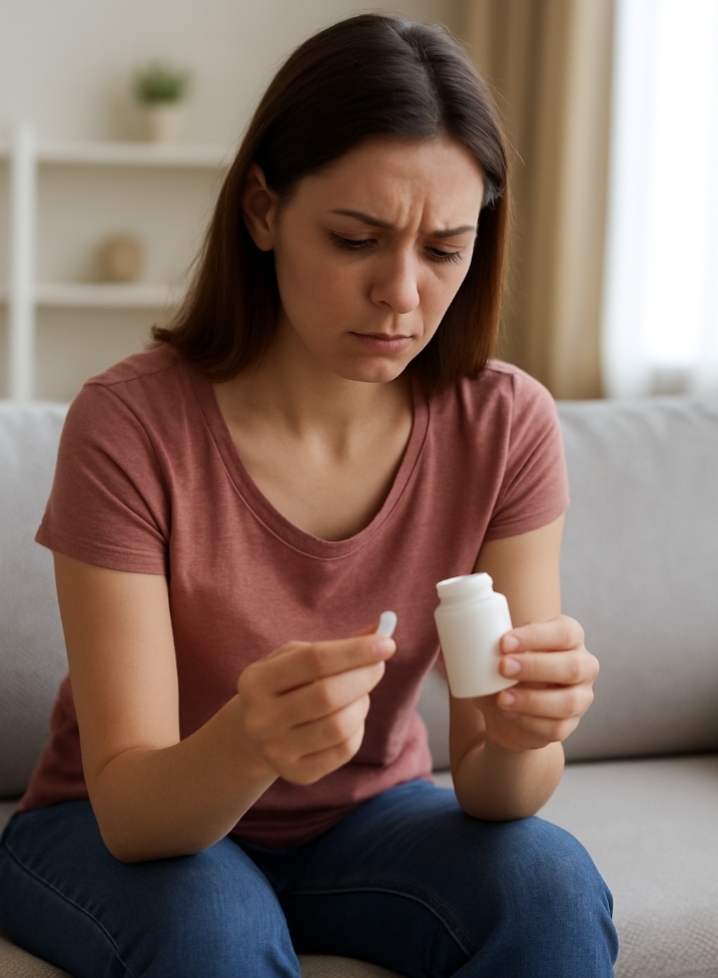
When Adaobi first held the little white pills in her hand, she didn’t think much of them.
They had been prescribed after a minor surgery, wrapped in a clear pharmacy packet, with instructions printed neatly: “Take one tablet every six hours for pain.”
She was 22, a final-year student at the university, and more worried about missing classes than about pain.
But that first night, when she took the pill, something shifted.
The pain dulled, but so did her racing thoughts. For the first time in months, her anxiety seemed to melt away.
“I felt like I could finally breathe,” she would later whisper.
At first, Adaobi took the medicine exactly as prescribed. But when deadlines and heartbreak collided, she remembered how calm the pill had made her feel. One tablet turned into two, two into four.
She told herself it was harmless after all, it was from a hospital, not the streets.
Within months, Adaobi was living a double life.
By day, she was the lively girl her friends admired. By night, she scoured pharmacies and whispered to classmates, “Do you know where I can get extra?”
Her story is not unique. Across Nigeria, young people are quietly slipping into the shadows of prescription drug misuse.
Unlike illicit drugs that carry a clear stigma, prescription medicines often wear the disguise of legitimacy.
Painkillers, sleeping tablets, and anti-anxiety drugs given for real conditions become silent chains.
The Slippery Slope
What makes prescription misuse particularly dangerous is how ordinary it begins.
A footballer with a knee injury, a trader recovering from childbirth, a banker fighting insomnia.
Each has a genuine need. But the human body learns quickly tolerance builds, the effect fades, and the dose quietly increases.
“I didn’t even realise I was addicted,” recalls Michael, a 28-year-old who started with pain medication after an accident. “By the time my family noticed, I couldn’t function without it.”
And when the prescriptions run out? Many turn to illegal alternatives that promise the same high at a cheaper cost.
This bridge between hospital pills and street substances is where lives often spiral.
The Human Cost
Behind every statistic is a family in anguish. Parents are wondering how their studious child became withdrawn. Spouses are grappling with sudden mood swings. Friends burying friends who overdosed because they thought one more pill couldn’t hurt.
Adaobi’s mother recalls: “I saw the bottles in her drawer. I thought they were just pain medicine. I didn’t know my daughter was slipping away right before my eyes.”
The most painful part?
Many of those struggling with prescription misuse don’t look like the stereotype of an addict. They go to school. They hold down jobs. They sit beside us in church. They laugh at parties. But inside, they are fighting a silent battle their community rarely sees.
Why It’s Hard to Talk About
In Nigeria, conversations about drugs often focus on substances like cannabis, tramadol, or cocaine.
Prescription misuse hides under the radar because the drugs come from pharmacies and doctors. Parents trust them. Communities ignore them.
The stigma is softer until it isn’t.
And yet, silence is deadly. The more we pretend it isn’t happening, the deeper the problem grows.
The Way Forward
Breaking the cycle requires courage both personal and societal.
Education: Young people must be taught that even hospital medicines can be enslaving when misused.
Support Systems: Families need to look beyond shame and offer compassion instead of condemnation.
Policy: Stricter regulations on over-the-counter sales and better monitoring of prescriptions are urgently needed.
Healing Spaces: Organisations like Balm for the Bruised Foundation provide safe spaces where survivors can speak and seek help without judgement.
Adaobi’s Second Chance
Today, Adaobi is 29. She has scars, physical and emotional. Her recovery journey has been long, marked by relapses and tears. But she now shares her story openly.
“If you are reading this and you’re where I was, please don’t wait until you lose everything. Talk to someone. Get help. You are not weak. You are human.”
Her words are Balm’s heartbeat: to soothe the pains and show that silence doesn’t heal but stories do.
Do you think Nigeria talks enough about the dangers of prescription drug misuse? Why do many people assume “hospital drugs” are safe, even when abused?
Let’s hear your thoughts.
About author

You might also like

JIDE’S DILEMMA: SHOULD DRUG ABUSE BE DECRIMINALISED?
JIDE’S DILEMMA: SHOULD DRUG ABUSE BE DECRIMINALISED? When Jide walked into the small rehab centre in Kugbo that morning, his hands trembled, not from withdrawal, but from shame. The twenty-seven-year-old,
Special Report: BFBF August Meeting Sensitization On Drug Abuse, Rape, Human trafficking Records Success
The 2022 August Meeting Sensitiztion/Awareness Creation Campaign of the Balm For The Bruised Foundation (BFBF) in some selected towns of towns of Anambra state has been concluded amidst success stories


TRUE-LIFE STORY: “#HIGHONLIFE – HOW A SOCIAL MEDIA CHALLENGE SAVED MY FRIEND
TRUE-LIFE STORY: “#HIGHONLIFE – HOW A SOCIAL MEDIA CHALLENGE SAVED MY FRIEND A Balm for the Bruised Foundation Story When Adaeze posted a shaky video on TikTok one humid afternoon,
0 Comments
No Comments Yet!
You can be first to comment this post!