

HE BEATS ME EVERY NIGHT: HOW DRUG ABUSE FUELS DOMESTIC VIOLENCE
HE BEATS ME EVERY NIGHT: HOW DRUG ABUSE FUELS DOMESTIC VIOLENCE
By Balm for the Bruised Foundation
Ngozi still remembers the night clearly not because it was the first time her husband, Chuka, raised his hand against her, but because it was the night she finally understood the invisible third party that had been eating away at their marriage: drugs.
They had been married for six years. In the beginning, Chuka was tender, funny, and ambitious.
He spoke often about building a family where love would be the anchor. But somewhere along the line, when the pressures of business losses and mounting debts began to weigh heavily on him, he found a new companion. Substances that promised temporary relief.
First it was alcohol, then cannabis, and later a cocktail of prescription pills, easily bought on the streets of Abuja.
At first, Ngozi thought it was harmless. “At least he’s not into gambling or women,” she told herself, choosing denial over confrontation.
But soon, his moods began to swing violently. One moment he would be affectionate, the next, he would explode in anger over trivial matters like when food wasn’t warm enough, children making noise, or her voice reminding him of unpaid bills.
That night, when Ngozi questioned why he had spent the rent money, Chuka’s eyes red and glassy from drugs widened with rage.
He shoved her against the wall. The children screamed. It was the first of many times she would hide bruises under long sleeves and dark glasses, telling neighbours she had slipped or bumped into furniture.
The Link Between Drugs and Domestic Violence
Ngozi’s story is not isolated. Across Nigeria, many families silently bear the scars of domestic violence, often fuelled by substance abuse.
Drug abuse affects the brain’s chemistry, impairing judgment, lowering inhibitions, and heightening aggression.
For many abusers, the substances they consume become catalysts for violence. Arguments escalate quickly, and situations that might have ended with a conversation spiral into physical assault.
Research has shown that:
Alcohol and hard drugs are present in a significant proportion of domestic violence cases.
Abusers under the influence are less likely to feel remorse and more likely to repeat the cycle of violence.
Victims, trapped in fear, often normalise the abuse, believing it is the substance; not the abuser that lashes out.
But while drugs can be blamed for fuelling the fire, it is important to remember that the choice to raise a hand remains the abuser’s. Substances may lower inhibitions, but they do not erase responsibility.
Breaking the Silence: A Survivor’s Journey
Ngozi endured years of abuse. Each time, Chuka would return with apologies, blaming the “weed,” the “pills,” or the “alcohol.” He promised to change but never sought help. The cycle continued: use, violence, apology, and relapse.
The turning point came when her five-year-old son, Ifeanyi, began imitating his father’s aggression at school, hitting classmates when he was upset.
When Ngozi was called to the principal’s office, she broke down. “I realised I was raising another Chuka,” she said, tears streaming down her face. “I couldn’t allow the violence to become a family inheritance.”
With courage she didn’t know she had, Ngozi reached out to a women’s support centre in Abuja, one that worked closely with Balm for the Bruised Foundation. There, she found counselling, legal advice, and a safe house where she and her children could stay. For the first time in years, she felt heard.
Why Drugs and Violence Go Hand-in-Hand
Impaired Control: Drugs alter brain function, reducing the ability to control impulses. Small arguments quickly turn violent.
Escalation of Stress: Many drug users begin with stress relief, but the temporary high often ends with deeper anxiety and aggression.
Financial Pressure: Substance abuse drains resources. When money runs out, frustrations spill into the home, with partners often bearing the brunt.
Isolation: Victims are often cut off from friends and family, trapped in silence, while abusers use drugs to numb guilt and prolong control.
The Hidden Victims: Children
While Ngozi bore the physical bruises, her children carried invisible ones. They learnt to tiptoe around their father, keeping quiet when he was “in a mood.” They hid in cupboards when arguments broke out.
Children raised in such environments often internalise trauma. Some grow up fearing relationships, while others replicate the patterns they observed. In homes where drug abuse fuels violence, the cycle doesn’t end with one generation — it spreads like a stain.
Healing and Hope
Today, Ngozi is in a different space. With therapy, she is slowly reclaiming her sense of self. Her children are adjusting, though scars remain. Chuka, after hitting rock bottom, eventually entered rehabilitation. Recovery is slow, but ongoing.
Ngozi shares her story openly, not out of bitterness, but as a warning: “Drug abuse doesn’t just destroy the user. It destroys families, marriages, and childhoods. We must not stay silent.”
What Can Be Done To Break The Circle?
Awareness: Communities need to recognise the link between drug abuse and domestic violence. Silence only feeds the cycle.
Support Systems: Victims must know where to turn: shelters, counselling, and organisations like Balm for the Bruised Foundation.
Rehabilitation: Substance abusers must be guided toward recovery, not only for their sake but for their families.
Policy and Enforcement: Stronger drug control measures and stricter penalties for domestic violence are essential.
A Message from Balm for the Bruised Foundation
At Balm for the Bruised Foundation, we believe every bruise tells a story — but no bruise should be permanent. Drug abuse and domestic violence are twin devils that break homes and futures, but with awareness, support, and courage, survivors can rise again.
If you or someone you know is caught in this cycle, remember: silence protects the abuser, not the abused. Speak out. Seek help. Break free.
What do you think?
Drug abuse and domestic violence often walk hand in hand, destroying lives in silence. But silence is no longer an option. If you were in Ngozi’s shoes or someone that you know going through the same pain, what would you say or do to help break the cycle?
Share your thoughts in the comment section below, because your words might be the balm someone else needs today.
About author

You might also like
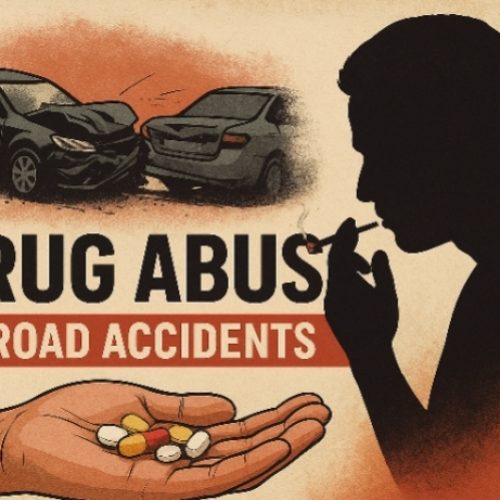
BROKEN ROADS, BROKEN LIVES: HOW DRUG ABUSE FUELS ROAD ACCIDENTS IN NIGERIA
BROKEN ROADS, BROKEN LIVES: HOW DRUG ABUSE FUELS ROAD ACCIDENTS IN NIGERIA On a cool evening in Abuja, Chioma clutched her mother’s hand tightly as they crossed the busy junction

THE SHATTERED DREAM: HOW DRUG ABUSE UNDERMINES OUR SECURITY
THE SHATTERED DREAM: HOW DRUG ABUSE UNDERMINES OUR SECURITY At first glance, Musa looked like any other young man in the bustling streets of Abuja. Tall, handsome, with eyes that
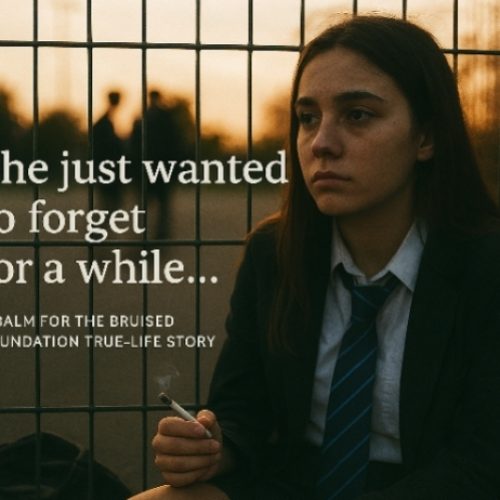

CHASING THE HIGH: ADA’s STORY AND THE SILENT STRUGGLE OF OUR TEENS
CHASING THE HIGH: ADA’s STORY AND THE SILENT STRUGGLE OF OUR TEENS When Ada first lit that roll of cannabis behind the school fence, she wasn’t looking to ruin her
0 Comments
No Comments Yet!
You can be first to comment this post!